
Data-Driven Decision Making: A Complete Guide
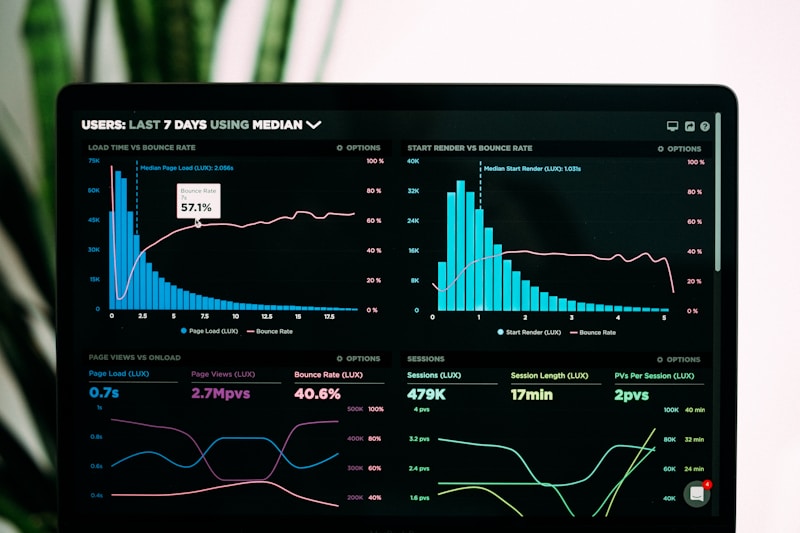
In today's competitive landscape, making decisions based on gut feeling is no longer sufficient. Data-driven decision making has become essential for businesses that want to stay ahead.
What is Data-Driven Decision Making?
Data-driven decision making (DDDM) is the practice of basing decisions on data analysis and interpretation rather than intuition or observation alone. It involves collecting relevant data, analyzing it, and using the insights to guide business strategies.
Benefits of DDDM
- Increased Accuracy: Decisions backed by data are more likely to produce desired outcomes.
- Better ROI: Resources are allocated more efficiently when guided by data insights.
- Competitive Advantage: Organizations can identify trends and opportunities faster.
- Risk Mitigation: Potential issues can be identified and addressed proactively.
Implementing DDDM in Your Organization
Start by establishing a data culture within your organization. Ensure that data is accessible, reliable, and properly governed. Invest in the right tools and train your team to use them effectively.
Common Pitfalls to Avoid
Don't fall into the trap of analysis paralysis. While data is important, it should inform decisions, not replace human judgment. Also, ensure data quality – garbage in, garbage out still applies.
The Future
As AI and machine learning continue to evolve, data-driven decision making will become even more sophisticated, enabling real-time insights and predictive analytics at scale.
Comments (0)
No comments yet. Be the first to comment!